
When it comes to health, fitness, and weight loss, protein is one of the most important nutrients. It helps build muscle, supports weight management, boosts metabolism, and keeps you full for longer. But many vegetarians in India struggle to meet their protein needs without meat, fish, or eggs. The good news? India has plenty of affordable and easily available vegetarian protein sources that can fit into your daily diet.
This guide is especially for health-conscious individuals, vegetarians, fitness enthusiasts, students, professionals, and homemakers who want simple and reliable nutrition tips.
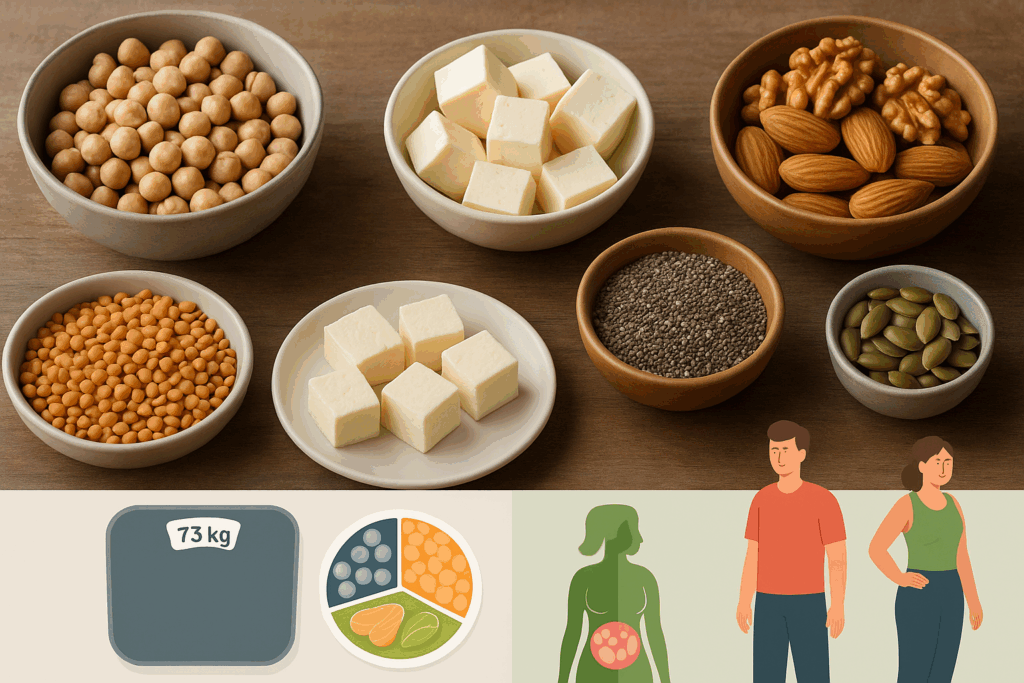
1. Lentils (Dal)
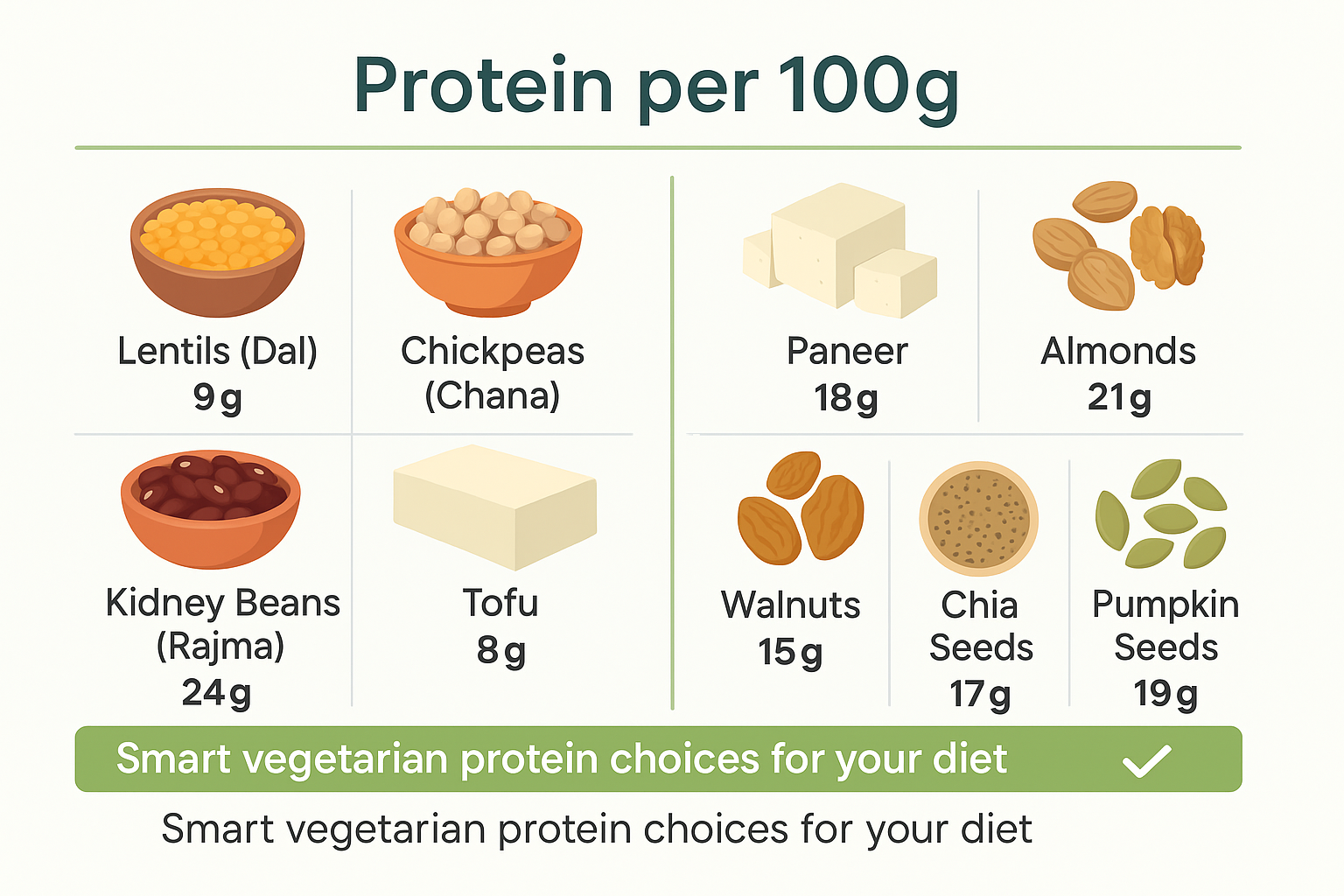
Lentils are a staple in every Indian kitchen and provide around 18g of protein per cup (cooked). They are rich in fiber, iron, and folate, making them perfect for energy and digestion. Pairing them with rice or roti makes a complete protein meal.
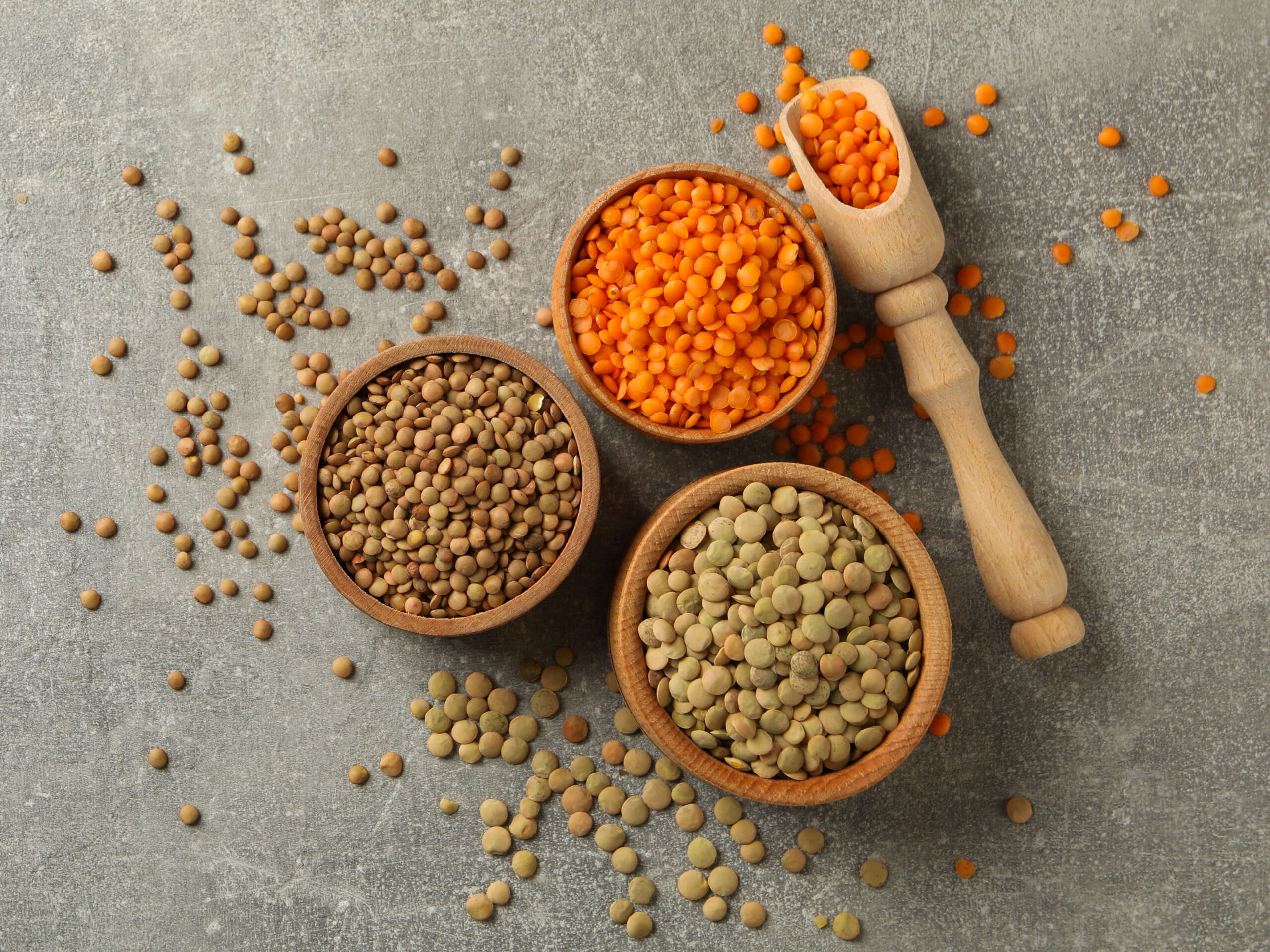
2. Chickpeas (Chana)
Chickpeas are a powerhouse with about 15g protein per cup (cooked). They also provide healthy carbs and fiber. Roast them for a crunchy snack, or add them to salads and curries.
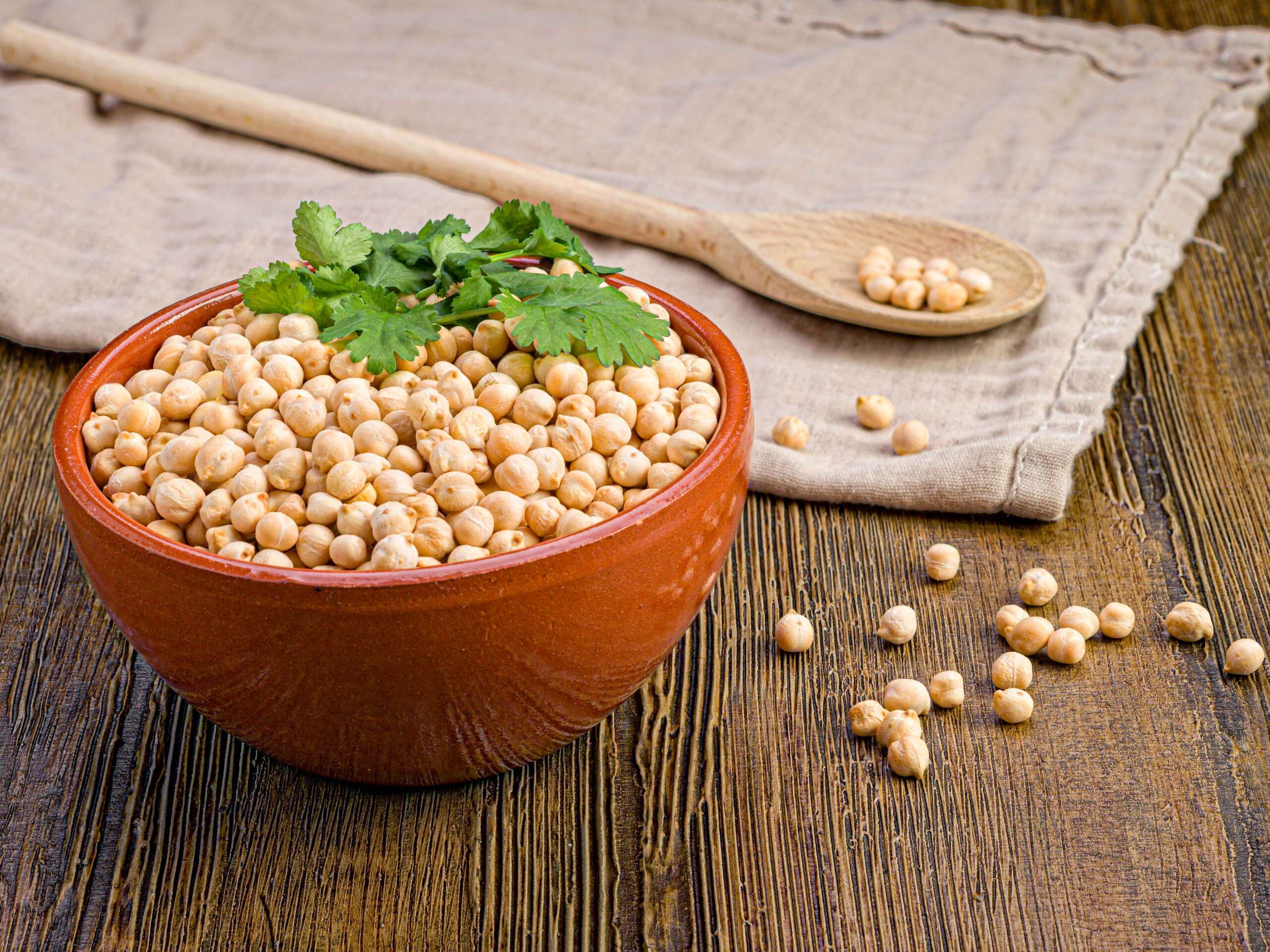
3. Kidney Beans (Rajma)
Rajma is not only delicious but also loaded with protein, fiber, and essential minerals. A cup of cooked rajma provides around 15g of protein, making it great for muscle growth.
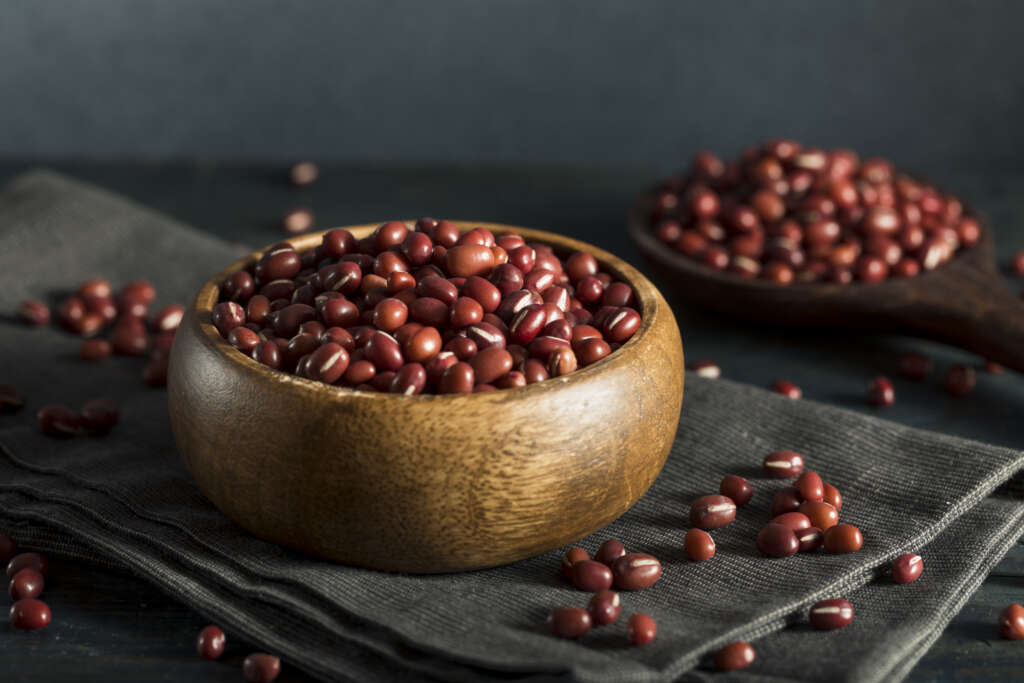
4. Soybeans & Soy Products
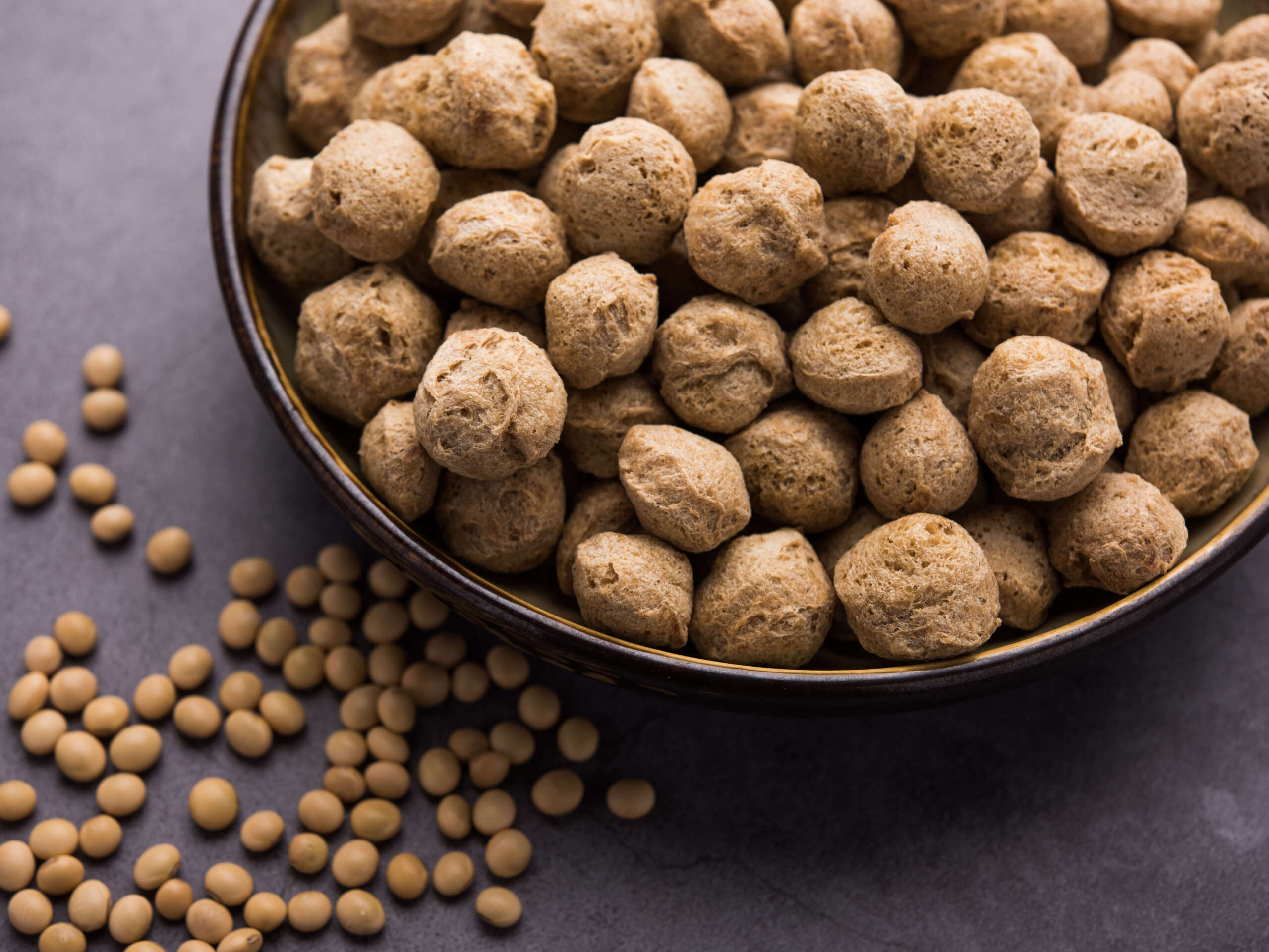
Soy is one of the richest vegetarian protein sources. Soybeans, tofu, and soya chunks provide 20–25g of protein per 100g. They’re versatile and can be added to curries, stir-fries, or smoothies.
5. Paneer (Cottage Cheese)
Paneer is a favorite for vegetarians, giving about 14g of protein per 100g. It is also rich in calcium, supporting bone health. Grilled paneer, paneer bhurji, or adding cubes to salads are easy options.

6. Greek Yogurt / Curd (Dahi)
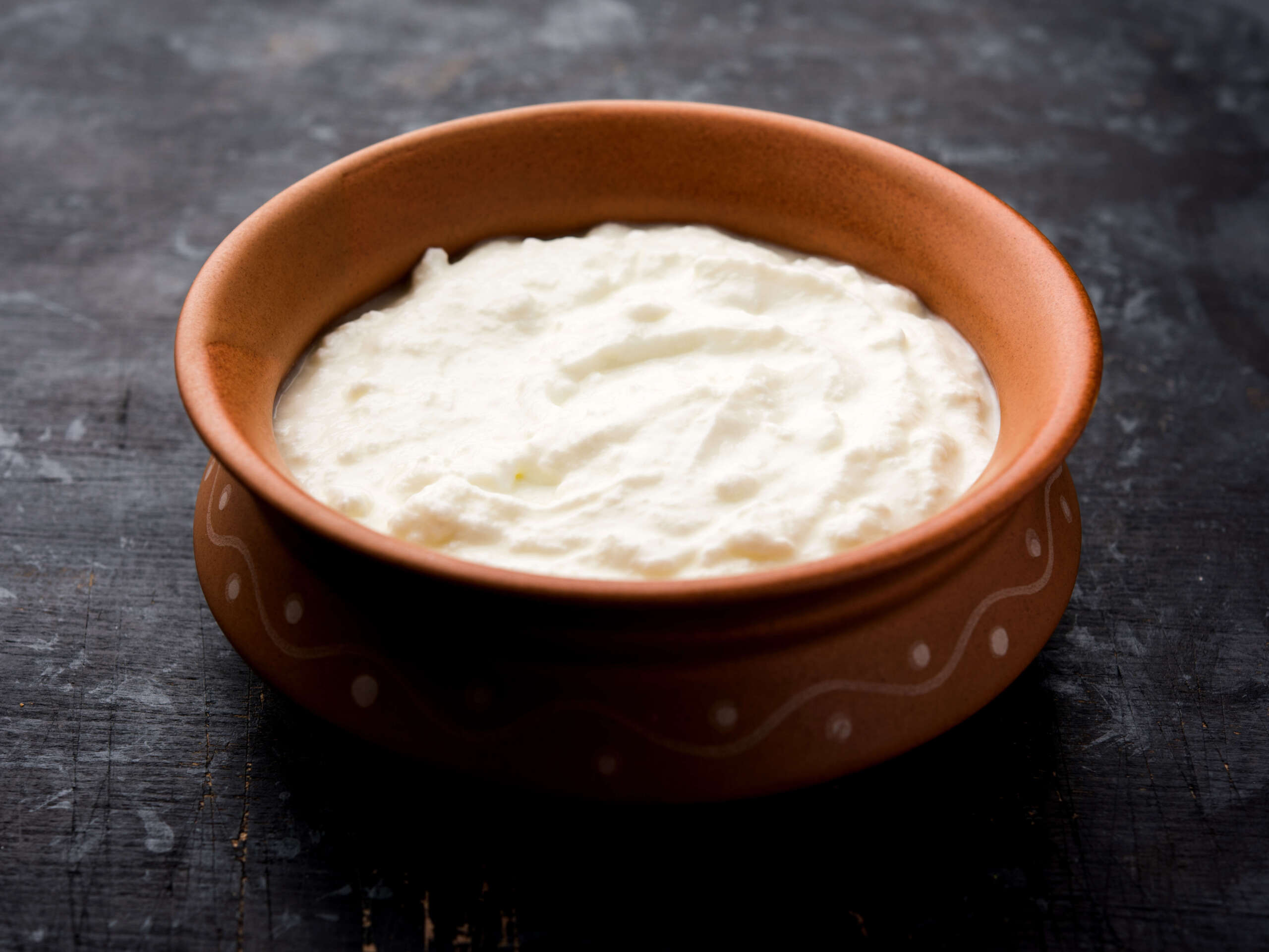
Thick and creamy, Greek yogurt packs 10g of protein per 100g. Regular homemade curd is also a good source of protein and probiotics that aid digestion.
7. Quinoa
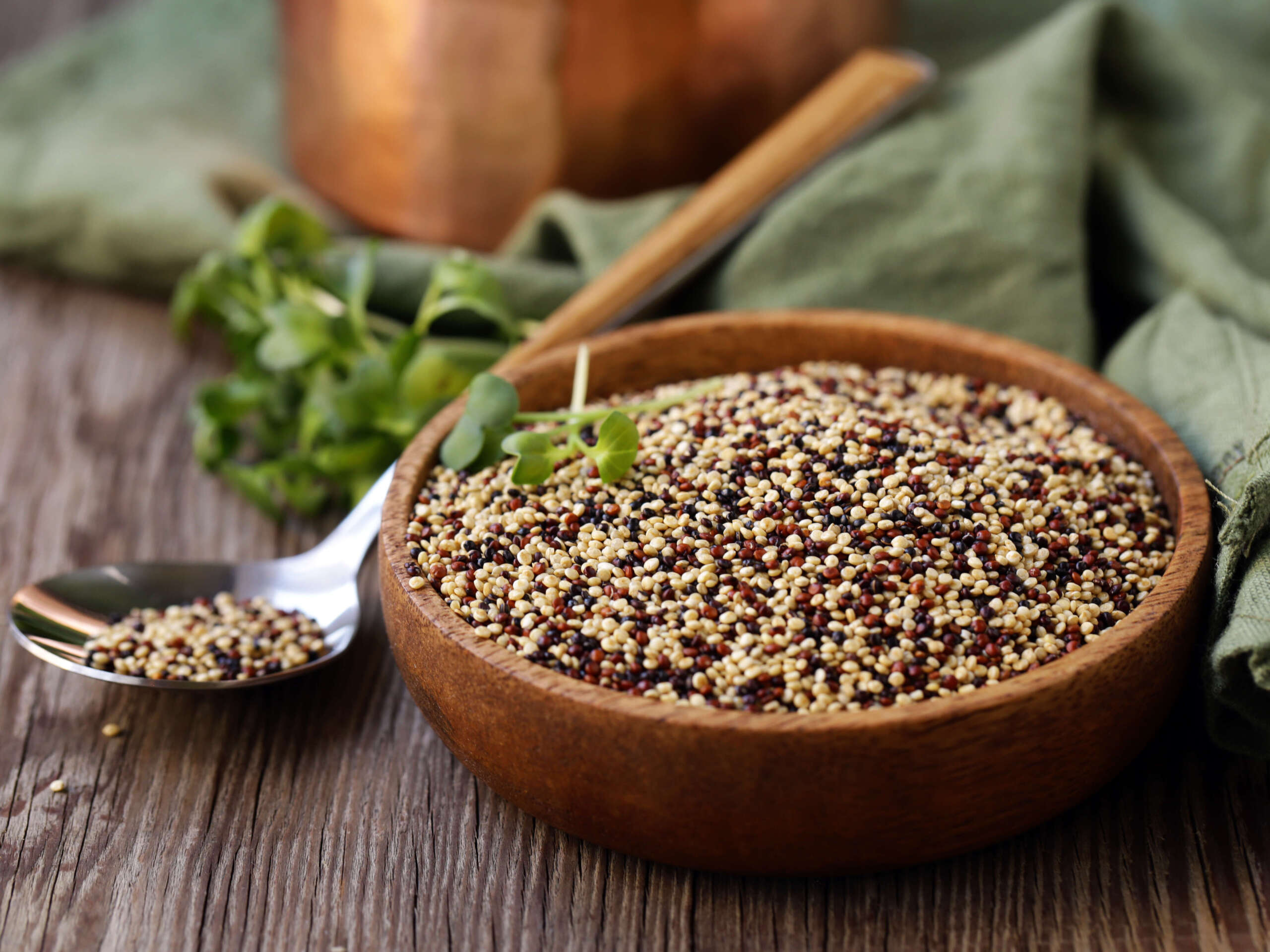
Quinoa, though not traditional in India, is gaining popularity. It contains all nine essential amino acids and offers about 8g of protein per cup (cooked). It’s an excellent rice alternative.
8. Nuts (Almonds, Peanuts, Walnuts)
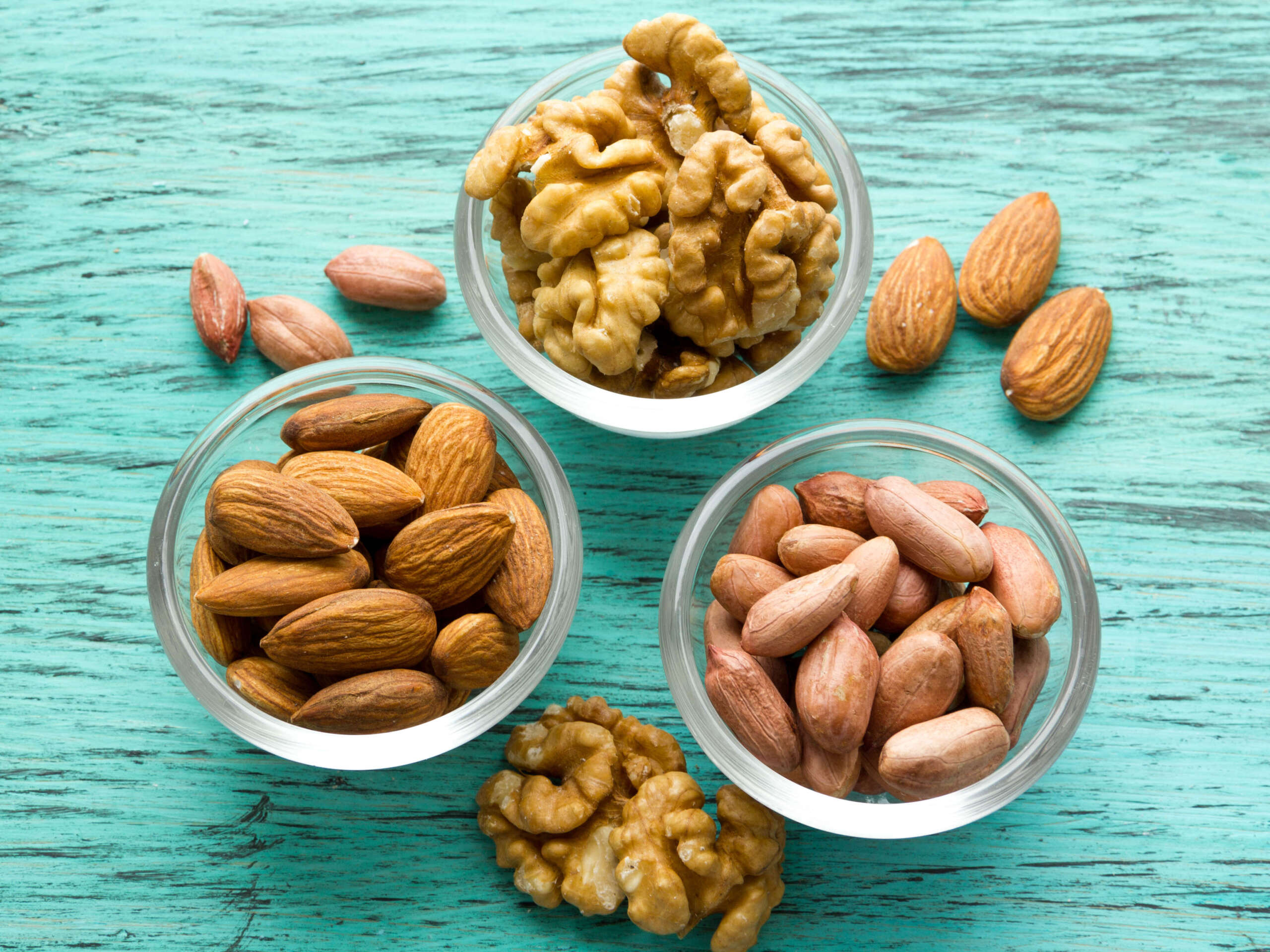
Nuts are a convenient snack loaded with protein and healthy fats. For example, 100g of almonds gives 21g of protein, while peanuts are a budget-friendly option. They also help in satiety and energy.
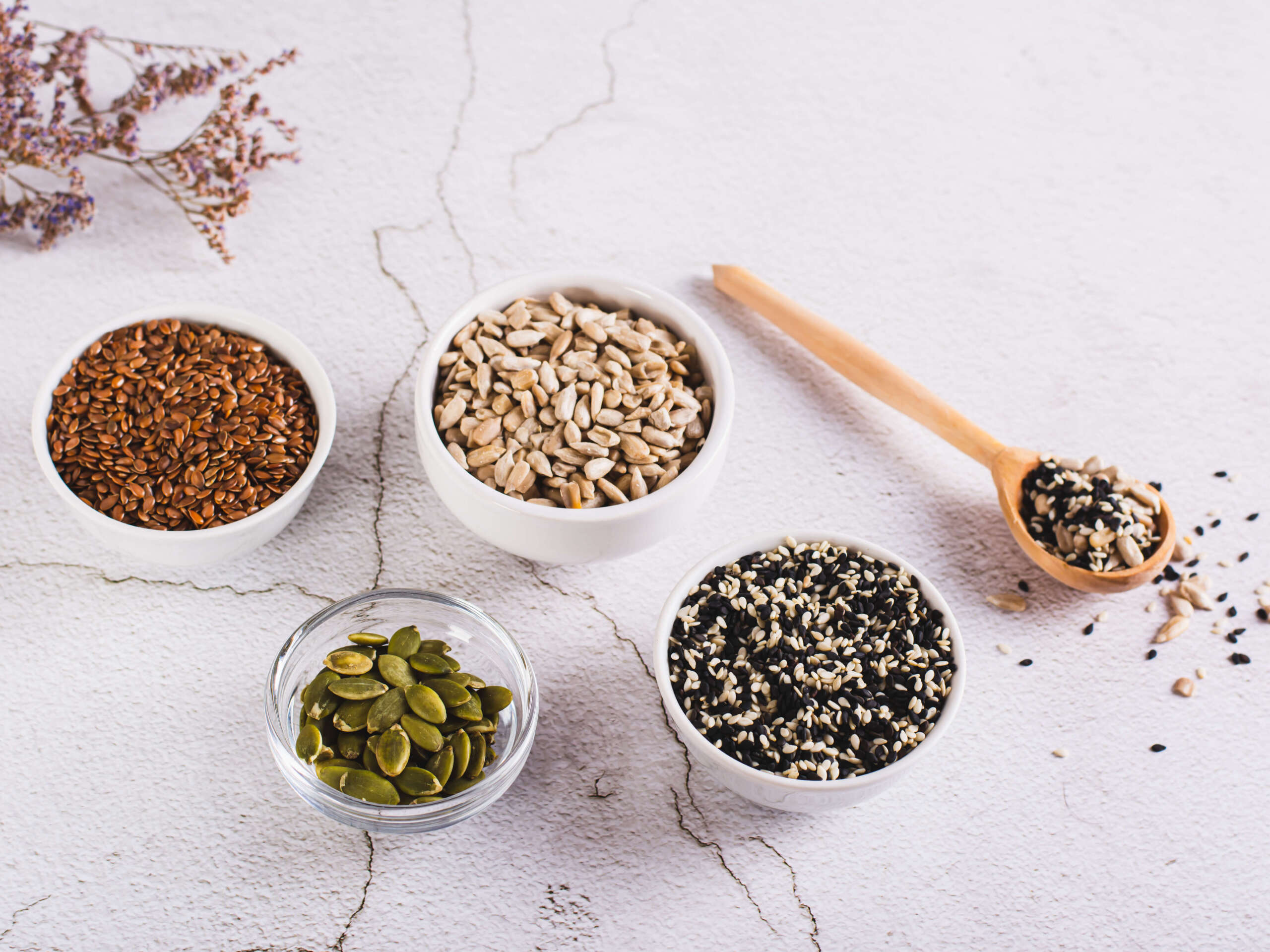
9. Seeds (Chia, Flax, Pumpkin, Sunflower)
Seeds are small but mighty. Chia seeds offer 5g of protein per 2 tablespoons, along with omega-3 fatty acids. Flax and pumpkin seeds also make great additions to smoothies or salads.
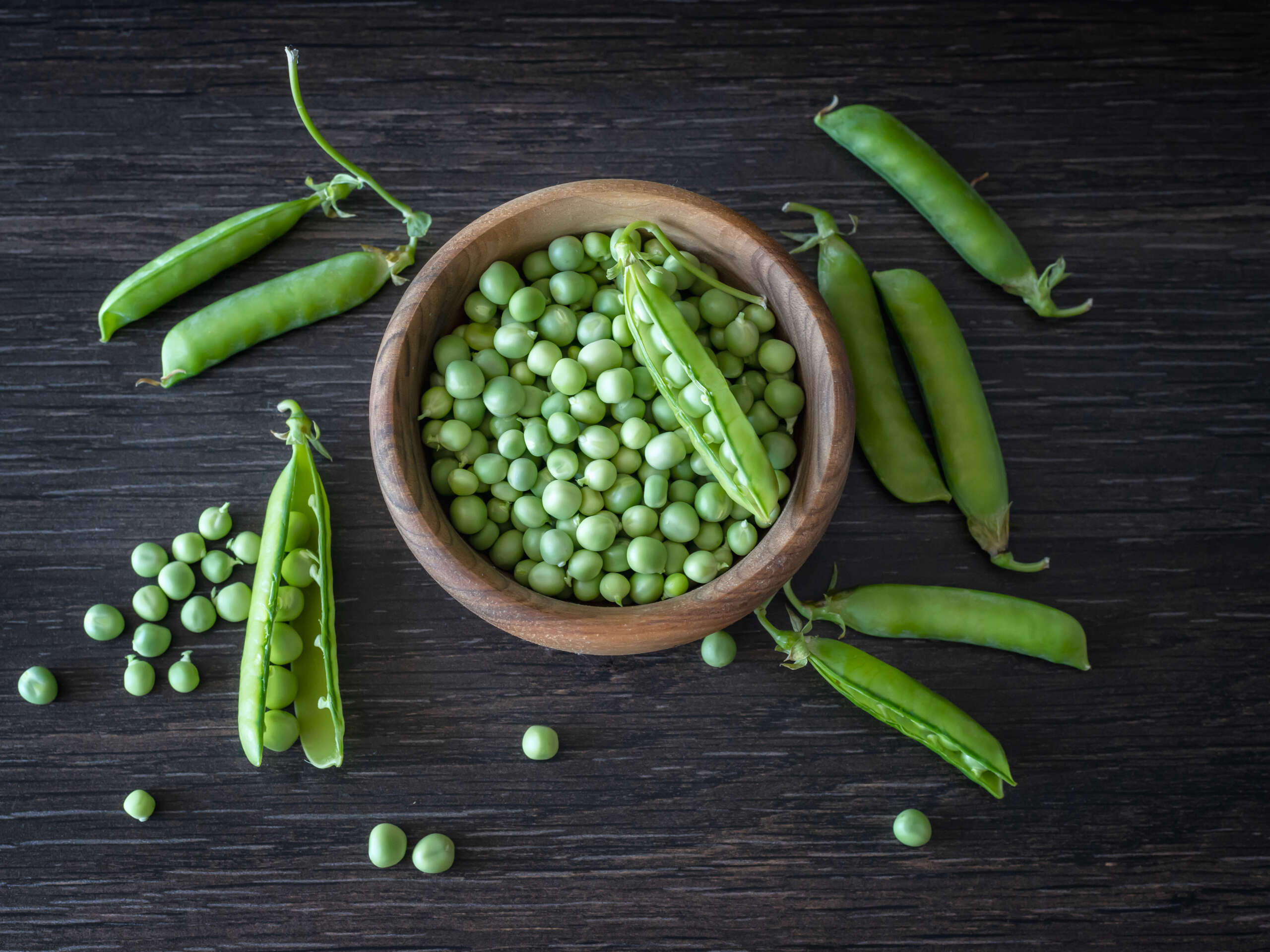
10. Green Peas (Matar)
Easily available and budget-friendly, green peas provide 8g of protein per cup (cooked). Add them to sabzis, pulao, or simply enjoy as a boiled snack.
Why Protein Matters for Weight Loss and Fitness
- Supports muscle growth and repair after workouts
- Keeps you full longer, reducing cravings and overeating
- Boosts metabolism to burn more calories
- Improves strength and energy levels for daily activities
How to Include These Foods in Your Diet
- Combine dal and rice for a complete protein.
- Add paneer or tofu to your lunch/dinner.
- Snack on roasted chana, nuts, or yogurt.
- Experiment with quinoa or soy-based recipes.
- Sprinkle seeds into your smoothies, salads, or breakfast bowls.
You don’t need meat to meet your protein needs. With these top 10 vegetarian protein foods, you can easily support your weight loss, fitness, and overall health goals.
👉 Want a personalized diet plan designed just for you?
Consult us today and get a customized plan that fits your lifestyle, food preferences, and health goals.