
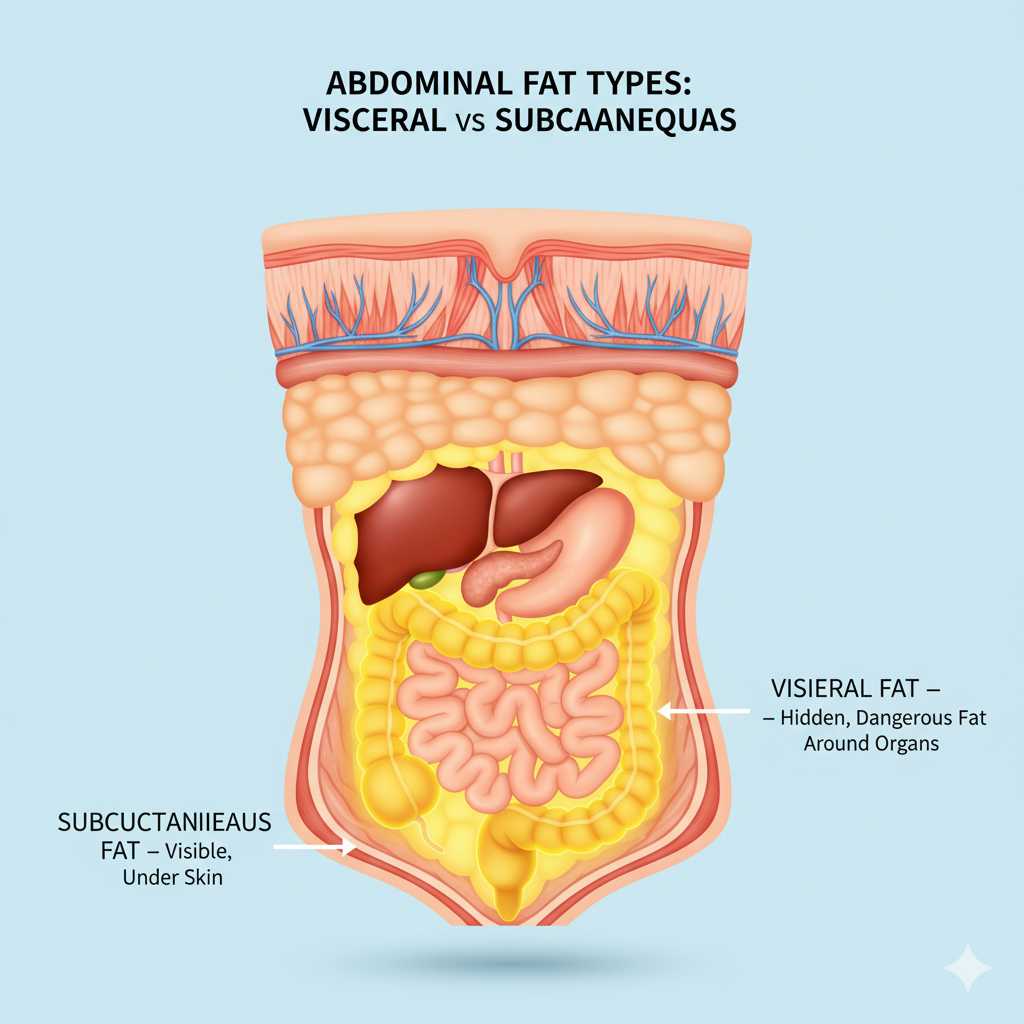
When most people talk about “belly fat,” they usually mean the visible fat around the waist. But there’s another, more dangerous kind of fat hiding deeper inside the body — visceral fat. This fat surrounds your internal organs like the liver, pancreas, and intestines — and it can seriously impact your health if ignored.
Let’s understand what it is, why it’s risky, and how you can reduce it naturally through simple diet and lifestyle changes suited to the Indian lifestyle.
🔍 What Is Visceral Fat?
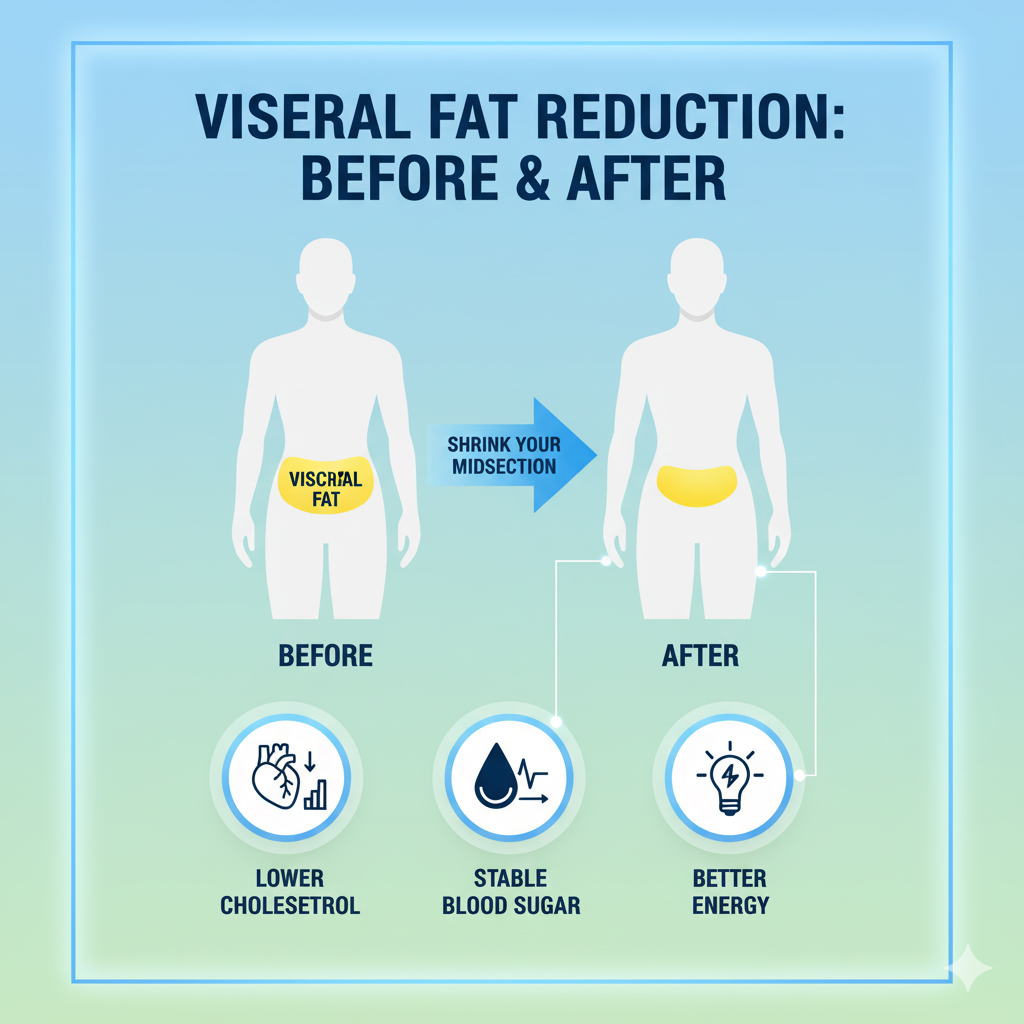
Visceral fat is the internal fat stored in your abdomen, wrapping around vital organs. Unlike subcutaneous fat (the soft fat under your skin), visceral fat is invisible but highly active metabolically — meaning it produces hormones and inflammatory substances that can disrupt your body’s balance.
⚠️ Why Is Visceral Fat Dangerous?
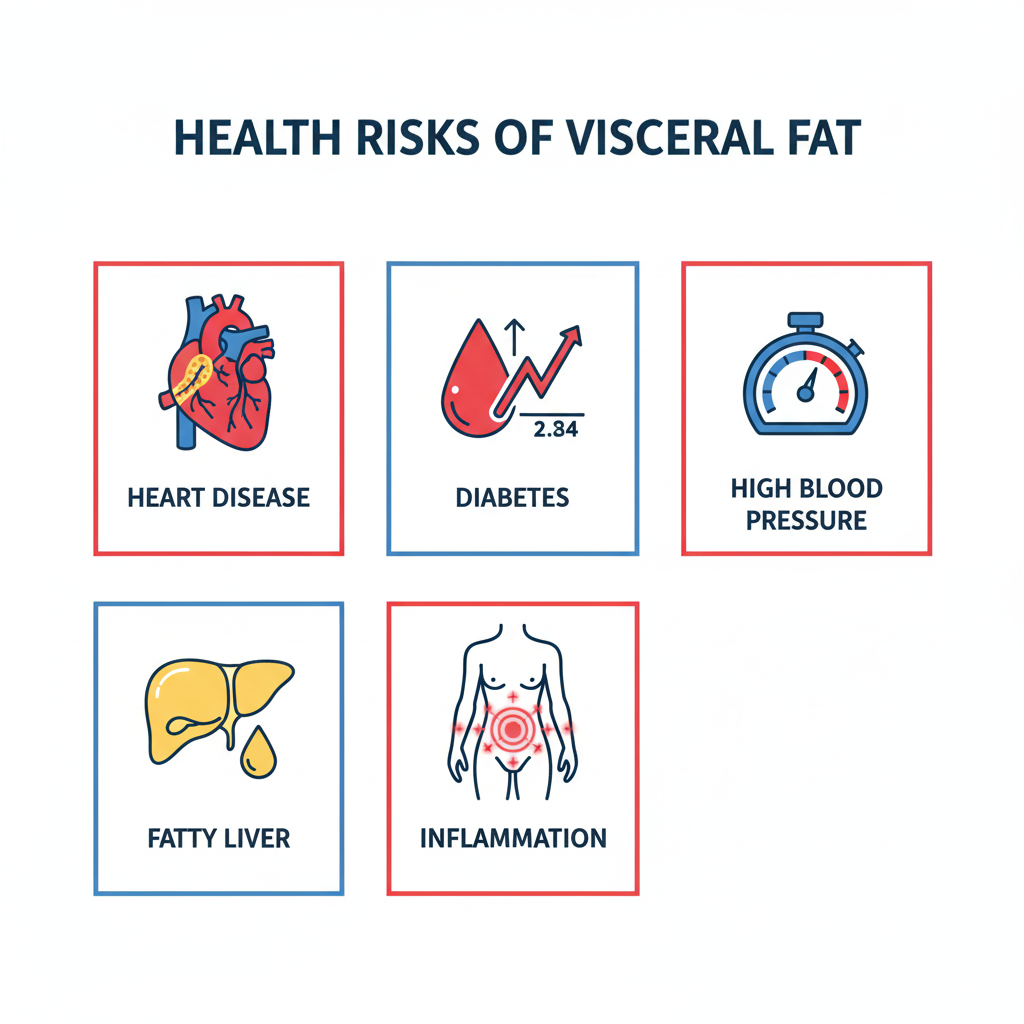
Too much visceral fat increases your risk of:
- Type 2 Diabetes: It interferes with insulin function.
- Heart Disease: Raises bad cholesterol (LDL) and triglycerides.
- High Blood Pressure: Stresses the heart and blood vessels.
- Fatty Liver & Hormonal Imbalance: Affects metabolism and overall energy.
- Inflammation & Low Immunity: Leads to chronic fatigue and slower recovery.
Even if you appear “slim,” you can still have high visceral fat — often called TOFI (Thin Outside, Fat Inside).
🍽️ Foods That Help Reduce Visceral Fat Naturally
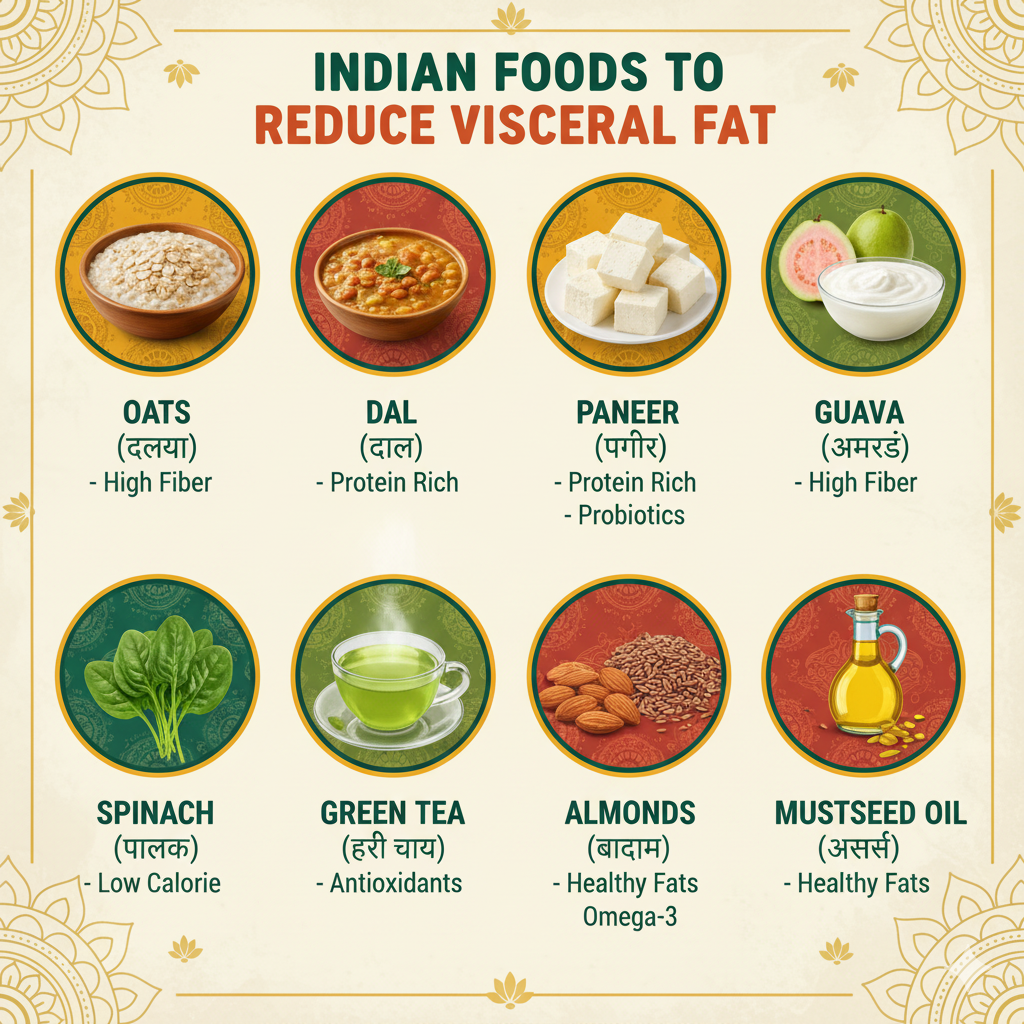
1. Fiber-Rich Foods
Include oats, dal, brown rice, vegetables, and fruits like guava and apple. Fiber slows digestion and reduces fat storage.
2. Protein-Rich Foods
Paneer, tofu, lentils, and Greek yogurt help boost metabolism and control cravings.
3. Healthy Fats
Nuts, seeds, olive oil, and mustard oil provide good fats that balance hormones and improve heart health.
4. Green Tea and Herbal Drinks
Rich in antioxidants and catechins that aid fat metabolism.
5. Avoid
Refined carbs, sugary drinks, processed snacks, and deep-fried foods — these trigger insulin spikes and increase belly fat.
🏃♀️ Lifestyle & Exercise Tips to Burn Visceral Fat
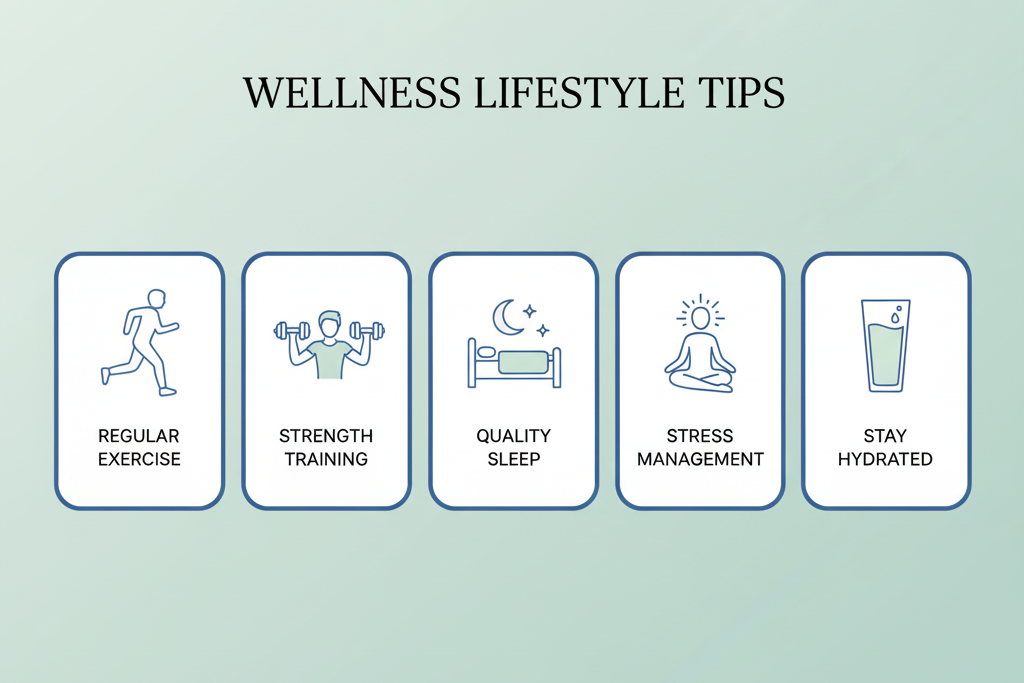
- 30 Minutes of Daily Exercise:
Brisk walking, jogging, or skipping can activate fat-burning hormones. - Strength Training:
Build lean muscle with bodyweight exercises (push-ups, squats, planks). - Sleep Well:
Poor sleep raises cortisol, leading to fat storage around the belly. - Manage Stress:
Meditation, yoga, or deep breathing helps lower cortisol and inflammation. - Stay Consistent:
Focus on sustainable habits, not quick fixes or extreme diets.
💡 Quick Tips to Track Progress
- Measure waist circumference (goal: <90 cm for men, <80 cm for women).
- Choose traditional Indian meals in balanced portions.
- Drink enough water — dehydration slows metabolism.
- Limit alcohol; it directly increases belly fat.
❤️ Final Thoughts
Visceral fat is more than just an appearance issue — it’s a health risk that silently affects your body. The key to controlling it lies in balanced nutrition, regular activity, and mindful living, not starvation or fads.
👉 Want to know how much visceral fat you have and how to reduce it effectively?
Consult us today and get your personalized fat-loss & health plan.